Structural Packaging Editor
Lena Chow
Folding cartons, corrugated shippers, rigid boxes and mailers
About Lena Chow
Lena edits pkgoutside's structural packaging guides. She works from supplier specification sheets, FEFCO and ISO test references, and the questions buyers raise in sourcing briefs, then turns them into checklists a buyer can take straight to a quote.
Her guides concentrate on board grades, flute and wall combinations, tolerance stacks, tooling and the point where a specification stops being a preference and starts changing unit cost.
How these guides are written
Every guide is drafted from supplier specifications, published test standards and the questions buyers raise in sourcing briefs, then checked against the standards listed on the article. Figures are stated as typical ranges with units, not as a specification. See how we verify suppliers and content for the methods used.
Guides by Lena Chow19
All procurement guides
Tapered Tuck-Lock Carton: Technical Specification Guide
How tapered tuck-lock cartons are drawn, locked and tooled: draft angles, panel formulas, lock ears, dieline layers and board grades.
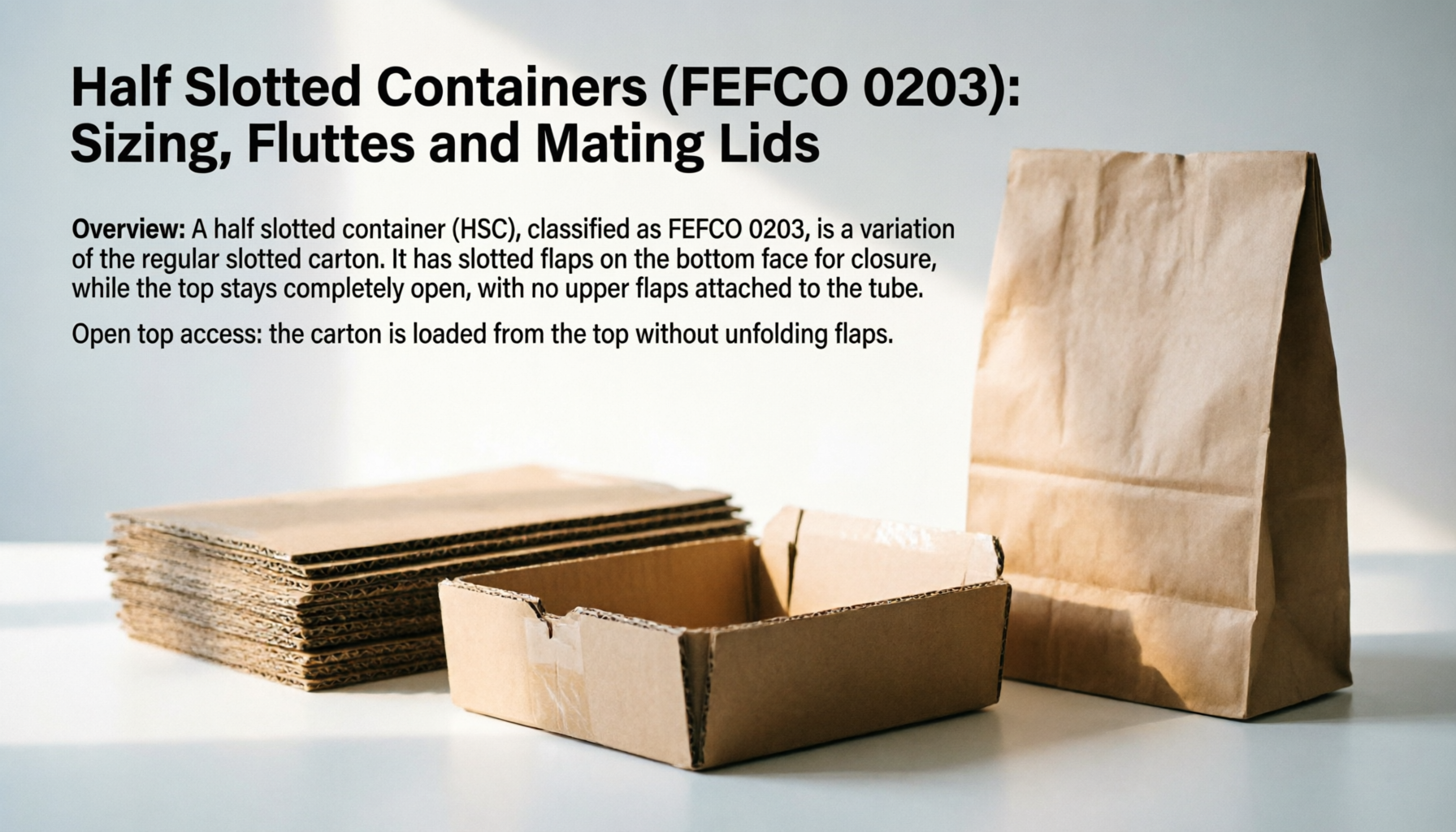
Half Slotted Containers (FEFCO 0203): Sizing and Lids
An HSC closes at the bottom and stays open at the top. Used with a cap or as a bin, it saves board and tooling against a regular slotted carton.

Straight Tuck End Cartons: Flaps and Board Grades
Straight tuck end cartons keep the front face unbroken. Standard allowances, closure options and dieline checks that decide whether the pack runs cleanly.
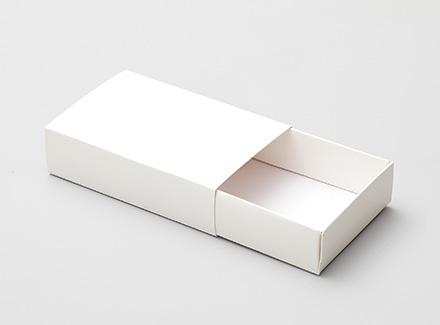
Open End Sleeve Packaging: Clearance and Retention
How an open end sleeve fits a tray or bundled pack: clearance figures, board grades, retention features and dieline dimensions for a first run.

Open Top Tuck Bottom Boxes: Display Formats and Board Choice
An open top tuck bottom carton works as a counter dispenser, a tray under a clear sleeve, or a desk organiser. How structure and board are chosen.
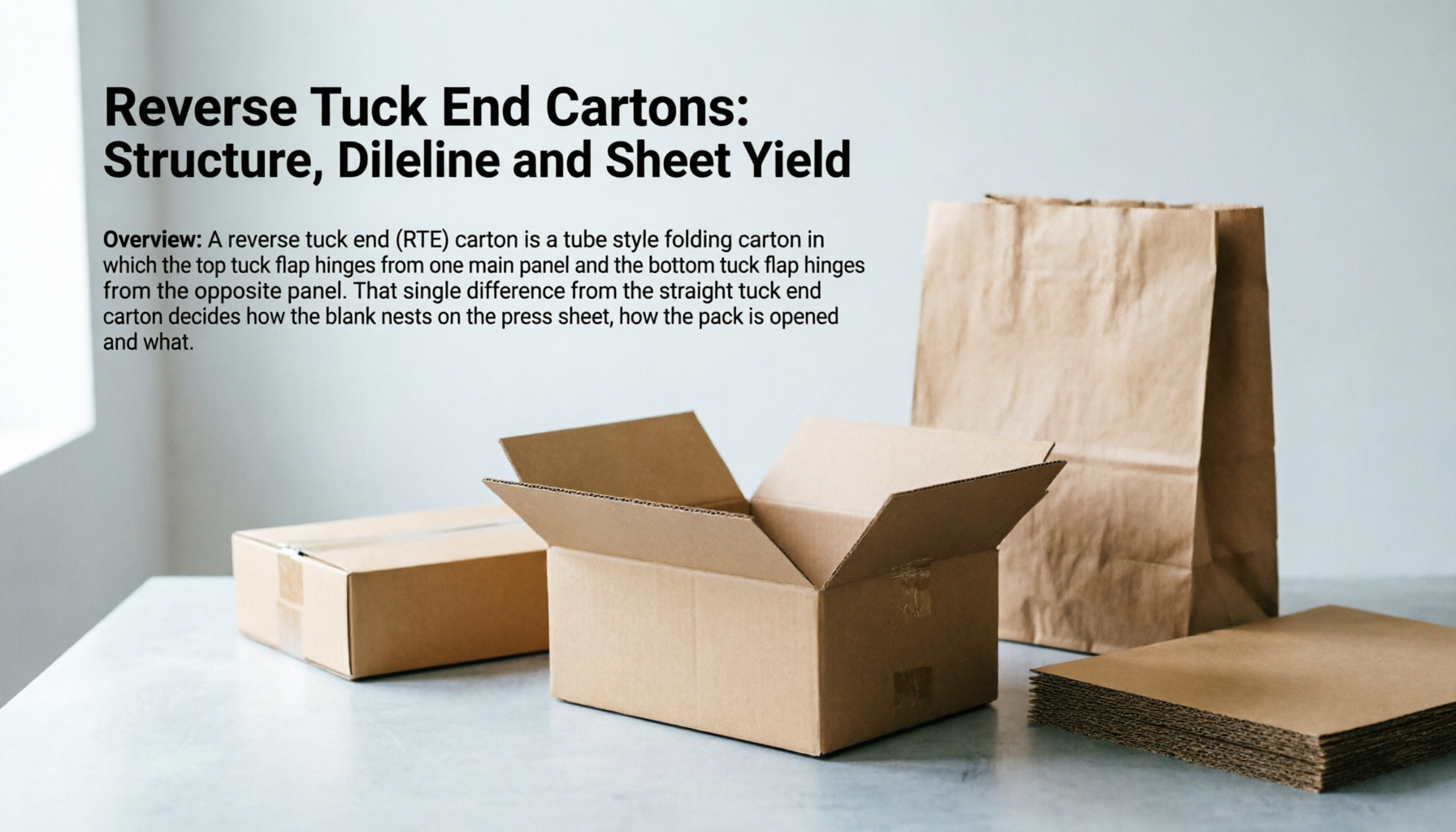
Reverse Tuck End Cartons: Structure, Dieline and Sheet Yield
How a reverse tuck end carton is built, why its opposing flaps nest tighter on the press sheet, and what to fix in the dieline before printing.

Branded Folding Carton Lead Time: Artwork to Delivery
A working timeline for branded folding cartons, the fastest route that still passes quality checks, and the six decisions that quietly add two weeks.

Luxury Cosmetic Boxes: Material and Process Specs
Which board, wrap paper, inserts and finishes a premium cosmetic box needs, the tolerances that decide quality, and the documents to fix before quoting.
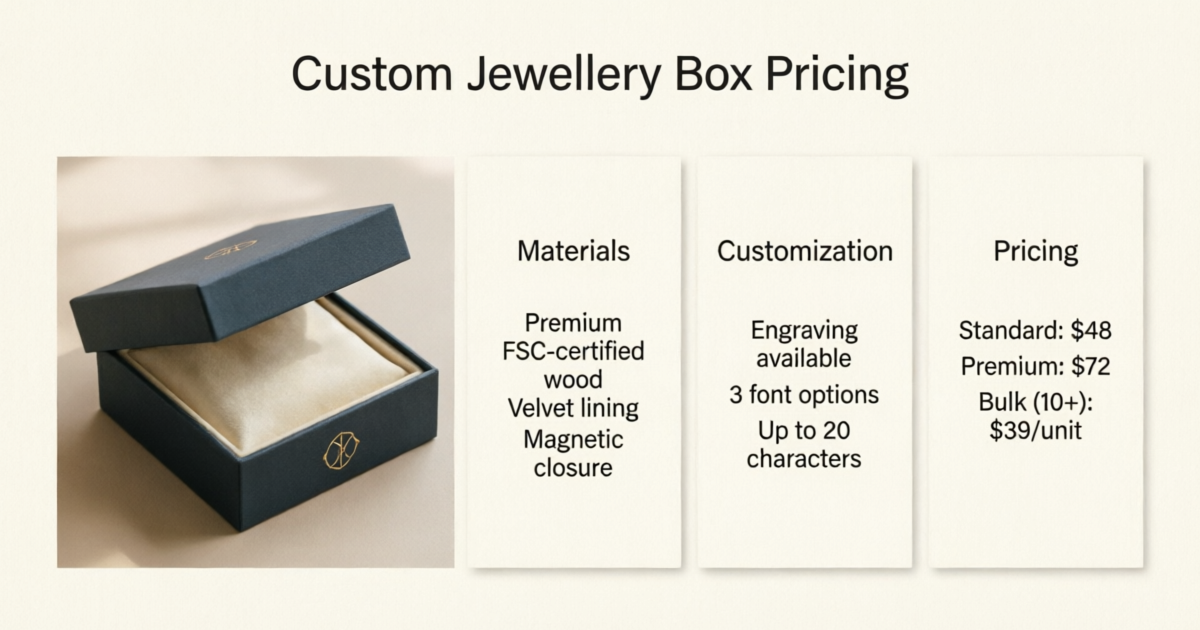
Custom Jewellery Box Pricing: Unit Cost and Design Fees
What a custom jewellery or gift box costs at 500 to 5,000 pieces, which line items belong in the quote, and which parts of design are billed.

Rigid Box Types: Set-Up Styles for Premium Packs
Rigid box styles from neck boxes to magnetic closures and collapsible formats, with board cores, inserts, finishes, freight and testing notes for buyers.
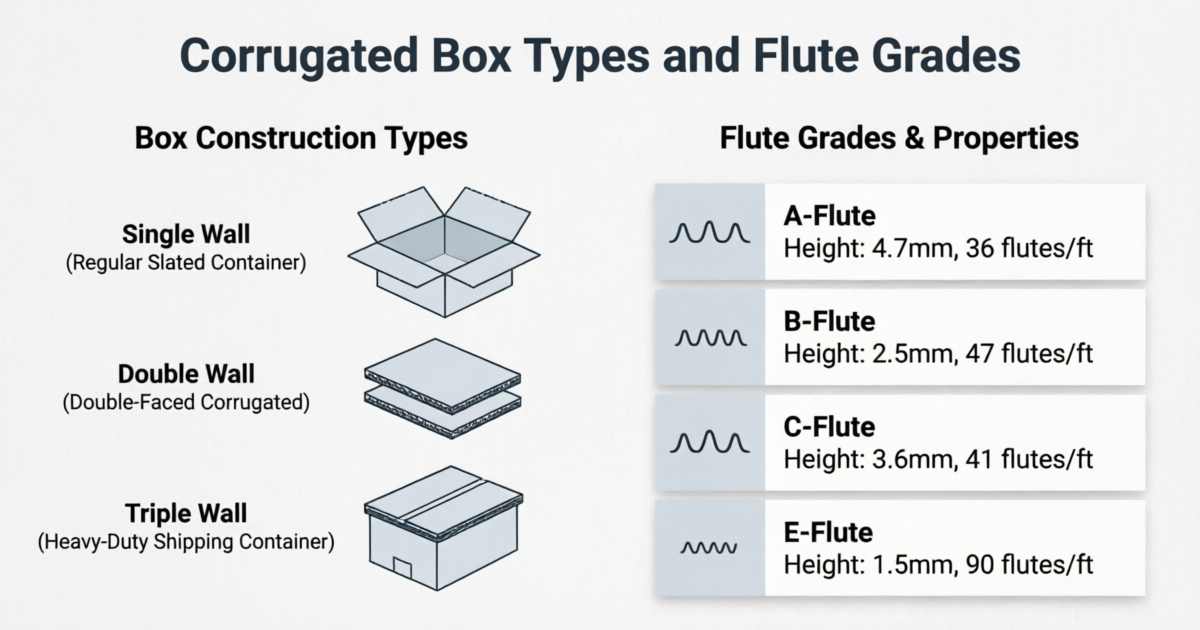
Corrugated Box Types and Flute Grades: A Buyer's Guide
Corrugated box styles and FEFCO codes explained, with flute profiles, ECT and Mullen grades, distribution tests and the cost drivers in a quote.
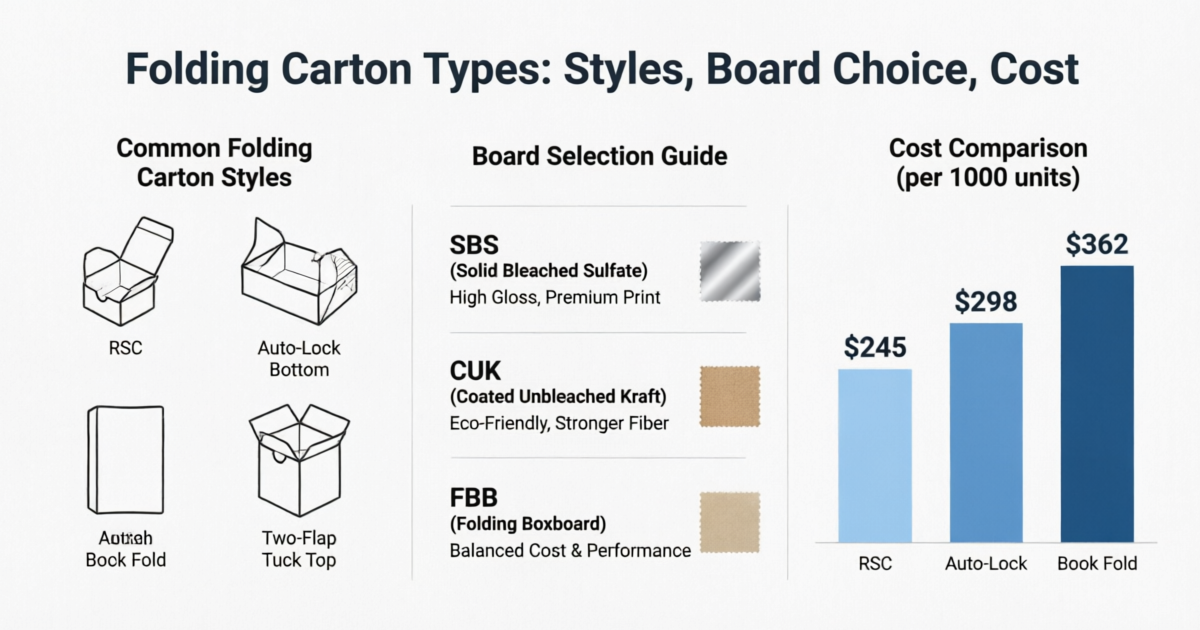
Folding Carton Types: Styles, Board Choice, Cost
Every folding carton style a buyer is likely to quote, from straight tuck end to crash lock, plus board grades, closures and the tests that decide cost.
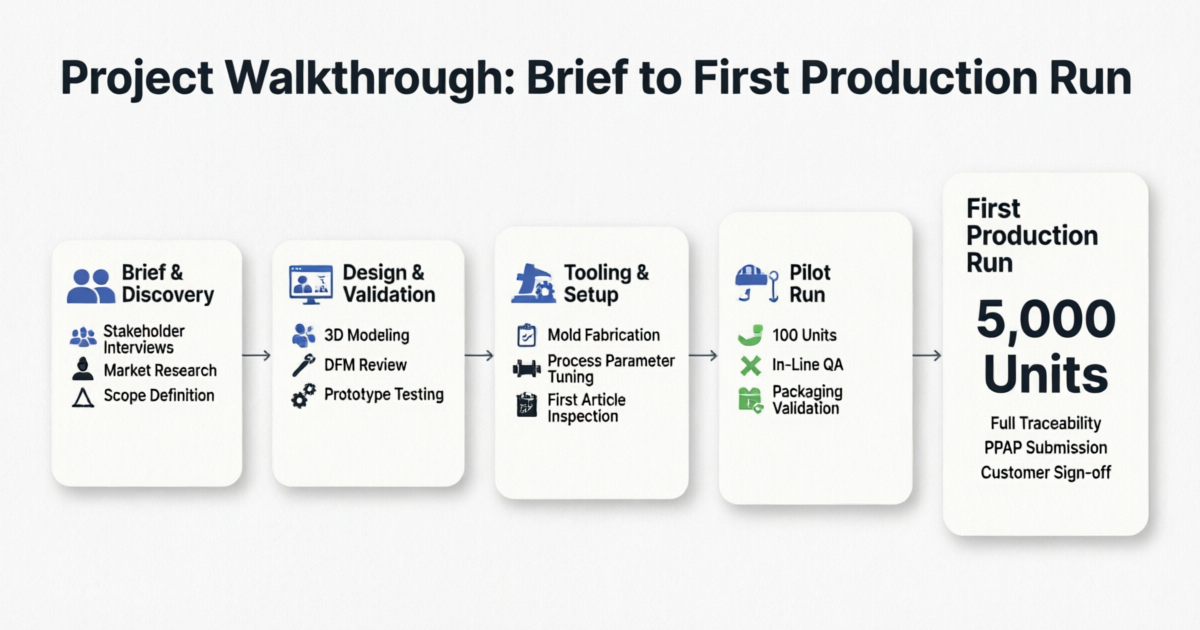
Project Walkthrough: Brief to First Production Run
A step-by-step walkthrough of a folding carton project, from the brief and dieline to sampling, approval and the first production run.

Total Landed Cost for Packaging: Freight, Duty and Storage
Why unit price is only part of packaging cost: freight, duty, packing method, storage and the cost of holding stock across a season.

Supplier Selection for Packaging: Capacity and Backup
How to evaluate packaging suppliers: capability, capacity, quality systems, documentation, sample discipline and the backup plan behind each one.
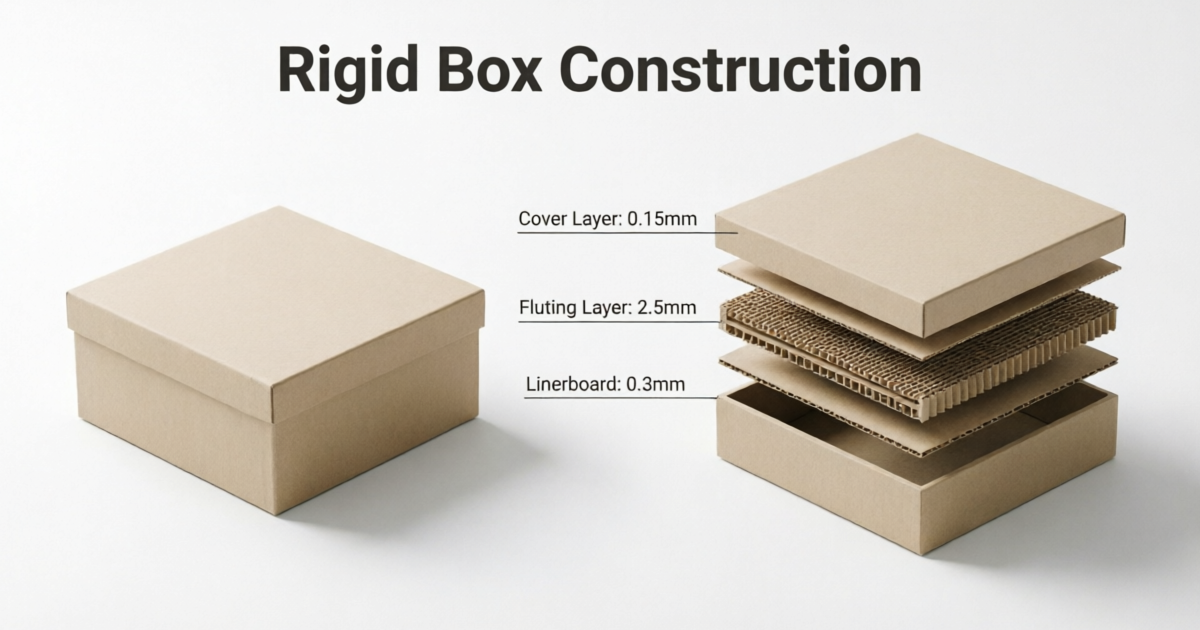
Rigid Box Construction Explained
How rigid boxes are built: grey board cores, wraps, liners and assembly options, and what each decision costs in material, tooling and labour.

Packaging Case Study: Right-Sizing a Shipping Carton
A worked example of a packaging project that reduced carton size, board use and freight cost without weakening protection. Figures are illustrative.

Reducing Packaging Costs Without Cutting Quality
Practical ways to lower packaging spend, from right-sizing cartons to material optimisation and volume planning, without reducing quality.
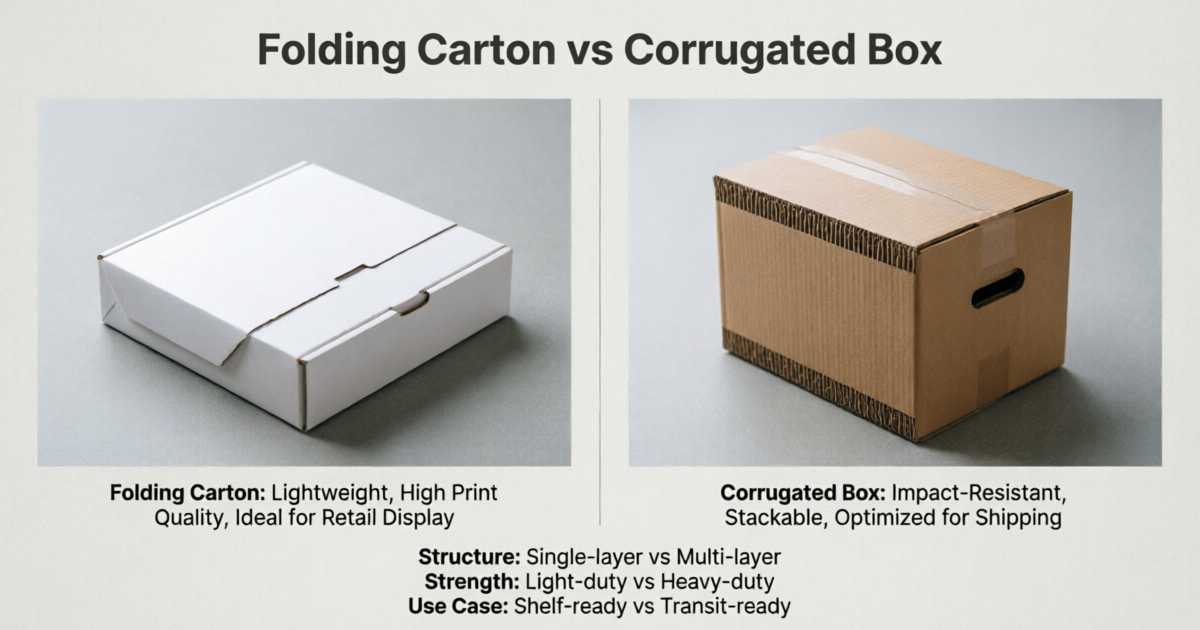
Folding Carton vs Corrugated Box: Key Differences
A clear comparison of folding cartons and corrugated boxes, and how to choose the right format for retail presentation versus shipping.