Packaging Boxes
Custom packaging boxes for various industries including gift, corrugated, paper, plastic and tin boxes

About Packaging Boxes
Custom packaging boxes for various industries including gift, corrugated, paper, plastic and tin boxes
Buyers normally fix the internal dimensions and the packed weight first, because those decide board grade, flute and whether a standard slotted size can avoid a cutting die.
Specification checklist
- Constructions
- Slotted shipping cases, die-cut trays, folding cartons and rigid lidded boxes
- Board options
- Corrugated board for transit, paperboard for retail, grey board for rigid formats
- Sizing basis
- Internal dimensions in mm, with the packed weight and stacking height
- Print options
- Flexo for cases, offset litho and digital for retail cartons
- Closures
- Glued, stitched, taped, crash-lock or lidded, with inserts and dividers
- Tooling
- Standard slotted sizes avoid die cost; custom shapes need a die charged once
Decoration and finishing
- Litho-laminated top sheets for photographic retail artwork
- Die-cut windows, hand holes and retail-ready perforations
- Corrugated or foam inserts and dividers for multi-piece packs
- Moisture-resistant coating for chilled or humid distribution
Sourcing notes
- Send internal dimensions, packed weight and stacking height so the board grade can be confirmed.
- Ask whether a standard slotted size fits, since that avoids die and plate cost.
- Request a drop or compression test report when the retailer requires one.
- Confirm whether print plates and dies are charged once or per order.
Products in Packaging Boxes
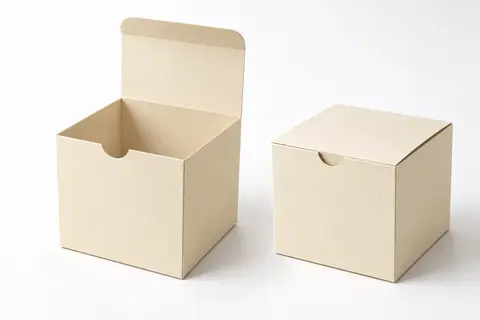
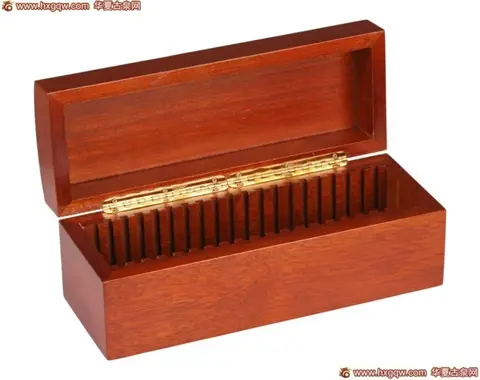
3 products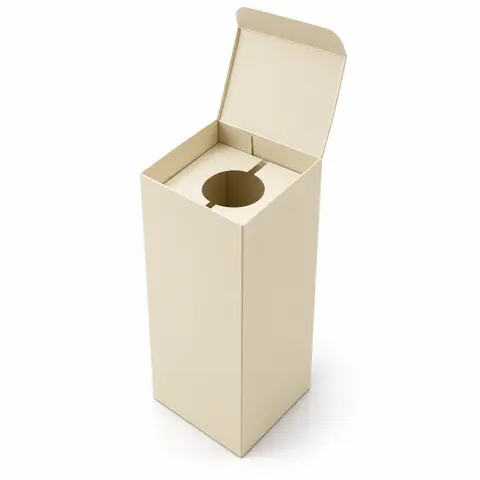
Packaging Boxes questions
- Should I use corrugated or folding board?
- Corrugated board protects the product in transit and is normally used for shipping cases and heavy items. Folding cartons present the product on shelf and are lighter, but they need an outer shipper for distribution.
- What drives the tooling cost on a custom box?
- A cutting die, and one print plate per colour when the box is printed. Standard slotted sizes avoid the die, while die-cut shapes and windows add a one-off charge.