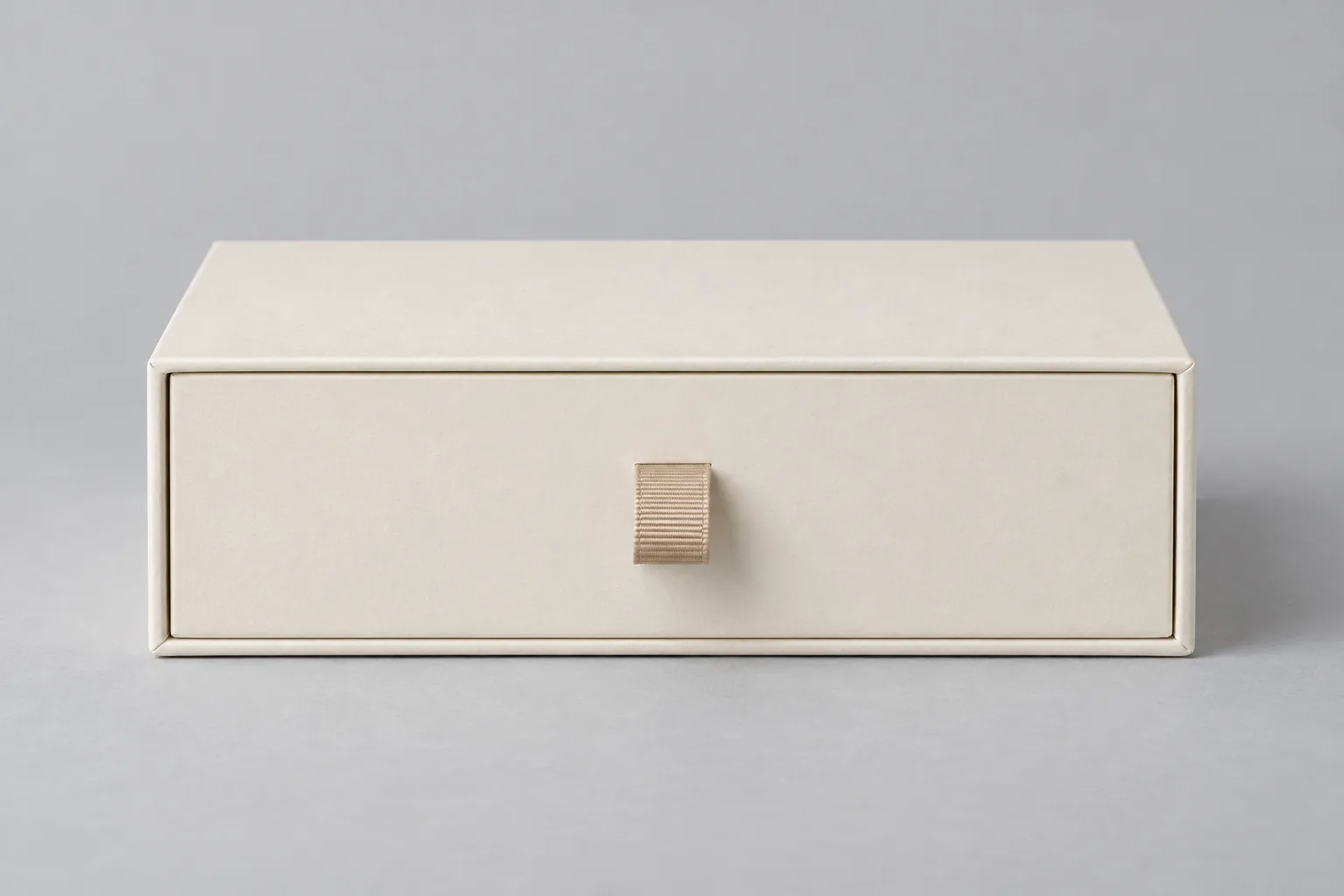
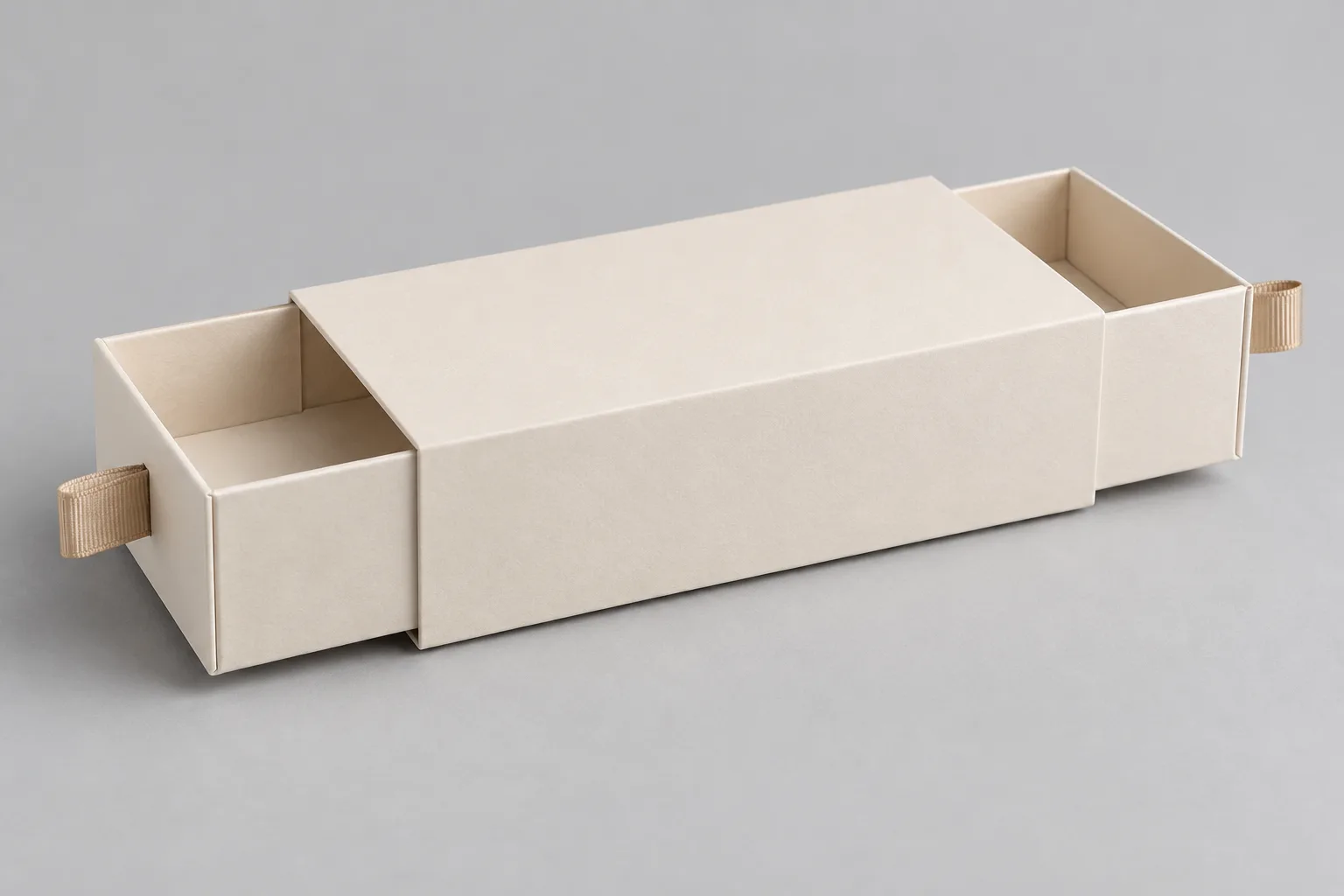
Branded Folding Cartons: The Fastest Realistic Lead Time From Artwork to Delivery
A working timeline for branded folding cartons, the fastest route that still passes quality checks, what a rush order really costs, and the six decisions that quietly add two weeks.

For a branded folding carton with a standard structure and stock board, the fastest realistic route is about 10 to 14 working days from approved artwork to goods leaving the factory, plus transit. Digital printing on short runs can compress production to 5 to 8 working days; offset print with foil stamping or a custom die typically needs 12 to 18 working days. Nothing in that range includes the time spent on artwork approval, and artwork approval is where most delays actually happen — a brand that arrives with a print-ready file, an approved dieline and a named Pantone can ship in under two weeks, while the same brief with an unapproved logo redraw can take five.
The useful way to plan is not to ask "what is your fastest lead time" but to build the calendar from the four things that run in series: prepress, tooling, production and transit. Each has a floor, and only the first two can be overlapped safely.
Key figures and tolerances
- Artwork and prepress check: 1 to 3 working days for a print-ready file; 3 to 7 if the logo or images need redrawing.
- Digital proof: 1 to 2 working days for a soft proof; 3 to 5 for a physical contract proof plus courier.
- Cutting die: 2 to 4 working days for a standard carton; 4 to 7 for a new or complex structure.
- Plates for offset: 1 to 2 working days once artwork is final.
- Production, offset, one or two colours with no special finishing: 5 to 8 working days after plates and die.
- Production, offset with foil, emboss and window patching: 10 to 15 working days because each pass has its own make-ready.
- Production, digital, 300 to 2,000 pieces: 3 to 5 working days, often with no die if a stock structure is used.
- Quality inspection before shipment: 1 to 2 working days, including a pre-shipment check on an AQL sample.
- Transit: 2 to 5 working days by express or air; 22 to 35 days by sea to Europe or North America, plus port handling.
- Rush premium: commonly 15 to 40 percent on production cost, and rarely available when a new die is required.
- Inspection sampling: AQL 2.5 major and 4.0 minor at General Inspection Level II under ISO 2859-1.
- Transit performance reference: ISTA 3A for parcel delivery, ISTA 2A for combined distribution modes.
Ranges are typical industry values for the material or process named and are not a specification; confirm the exact value, the current edition of each standard and the applicable grade with your supplier or test laboratory.
The realistic fast track, step by step
Follow this sequence when the deadline is fixed and the design is already approved.
- Day 0: confirm structure, board caliper, dimensions and finishing list; issue the dieline as a locked file.
- Day 1 to 2: prepress check — bleed, safe area, barcode quiet zones, overprint, minimum line weight, and colour separation.
- Day 2 to 4: die fabrication in parallel with proofing; the die is the long pole on a new structure, so release it first.
- Day 3: digital proof approval, in writing, with a named approver.
- Day 4 to 5: plates and make-ready.
- Day 5 to 12: print, die-cut, fold and glue; each finishing pass adds one to three days.
- Day 12 to 13: pre-shipment inspection on the agreed AQL level, plus a dimensional and colour check against the approved sample.
- Day 13 to 18: transit by air or express.
That lands a fully finished carton at a US or EU warehouse in roughly three weeks, with the factory working 10 to 12 of those days.
What actually makes a branded carton slow
Artwork that is not production-ready
The most common cause of a two-week slip is a file that looks finished but is not: a low-resolution logo, text converted inconsistently, missing bleed, a barcode with a truncated quiet zone, or a white underprint missing where the board is dark. Artwork and Dieline File Preparation: A Buyer's Checklist lists the checks a plant performs, and running them before sending the file removes an entire revision round.
A new structure rather than a stock one
Stock structures — reverse tuck end, straight tuck end, sleeve, tuck-top — have existing dies at many plants. A new structure needs a die drawing, a white sample for fit, and usually one revision. That is 4 to 7 working days before printing starts, and it cannot be compressed much without risking a box that does not close.
Special board or special finishing
Textured, metallised or high-bulk board is often not held in stock at the plant that quotes fastest. Foil stamping requires a separate die; window patching requires a separate machine pass; soft-touch lamination must cure before die-cutting. Each of these adds queue time, not just machine time.
Colour approval loops
A spot colour matched by eye across two sites will loop. Provide a Pantone number, accept Delta E of 2 or lower under a stated light source, and approve from a physical sample once. Colour Management for Packaging Print: Spot Colours, Process Builds and Brand Consistency covers how to hold this without repeated rounds.
Calendar and capacity
Chinese New Year, the Golden Week holidays and the pre-holiday peak in August to October all extend queues at export-oriented plants. A 12-day job quoted in June can be 20 days in September. Ask for the production window in writing, not just a lead time figure.
What a rush order costs and when it is worth it
Suppliers recover rush work by paying overtime, bumping another job, or splitting the run across two plants. That is why the premium lands at 15 to 40 percent and why rush slots disappear when tooling is new.
Rush is usually worth it when the cost of a late launch exceeds the premium — a retail reset date, a trade show, a contract penalty. It is rarely worth it for a packaging refresh with no fixed date, because paying a premium to compress a schedule that has slack only removes the buffer that absorbs a quality problem.
A cheaper alternative to rush production is to split the order: air-freight 10 to 20 percent of the quantity for the launch and send the balance by sea. Freight for a partial air shipment is often less than the rush premium on the full run.
Six decisions that add time, and what to do instead
- Changing the structure after the die is cut: approve a white sample before releasing the die.
- Choosing a specialty board late: confirm stock availability in writing at the quoting stage.
- Adding a finishing pass "to see how it looks": decide the finishing list before tooling.
- Approving artwork by committee on the day of production: name one approver and one deadline.
- Skipping the pre-shipment check to save two days: a failed container costs four to six weeks.
- Booking sea freight against a 10-day production window: add the inspection and booking lead time to the plan.
For the surrounding process, Project Walkthrough: From Brief to First Production Run for a Folding Carton shows the same timeline as a project with owners and gates, and Pre-Shipment Quality Inspection for Packaging Orders: A Buyer's Checklist sets out what the final two days should contain.
FAQ
How fast can branded folding cartons be delivered?
Digitally printed cartons on a stock structure can leave the factory in 5 to 8 working days. Offset cartons with a new die and one foil pass usually need 12 to 18 working days after artwork approval, plus 2 to 5 days transit by air.
Can a rush order be done in one week?
Only for digital print, a stock structure and a print-ready file, and the plant must have board in stock. A new die cannot realistically be fabricated and proven in under four working days, so a one-week promise on a new structure is a risk signal.
What delays a carton order most often?
Artwork that needs revision, a new structure needing a die and fit sample, specialty board not in stock, and colour approval loops. Those four account for most two-week slips.
Should I approve a digital proof or a physical sample?
Both, for different reasons. The digital proof confirms text, barcode and layout; the physical sample confirms colour, board feel, fold and finish. Approving only digitally is how a brand colour arrives two shades off.
What should be in the purchase order to protect the date?
Structure and dieline version, board caliper and grade, finishing list in order, approval names and deadlines, production window in working days from approval, inspection standard, and the Incoterm with named port or door.
中文速答
问:需要定制带有品牌 Logo 的折叠纸盒,最快多久能发货?
答:标准盒型 + 现有刀模 + 数码印刷,300–2000 件最快 5–8 个工作日完成生产;胶印 + 新开刀模 + 一道烫金,通常在稿件确认后 12–18 个工作日完成,再加空运 2–5 天或海运 22–35 天。
问:为什么说"一周交货"要谨慎?
答:新刀模从制图、开模到打白样确认通常要 4–7 个工作日,无法在一周内既开模又生产还保证成型。若供应商承诺一周且是全新结构,多半会压缩打样确认环节,风险在后期成型不良或尺寸偏差。
问:最容易拖慢进度的环节是什么?
答:四个:稿件不是可直接印刷的文件(Logo 位图、缺出血、条码静区不足)、需要新结构、特种纸没现货、颜色确认反复来回。把这几项在报价阶段就锁定,能省下约两周。
问:加急要加多少钱,值得吗?
答:加急费常见为生产成本的 15%–40%,且新刀模状态下通常无法加急。如果是为了赶零售上架或展会,值得;如果是常规包装更新,更省钱的做法是先空运 10%–20% 的数量应急,其余走海运。
问:下单文件里要写清哪些内容?
答:盒型与刀模版本、纸板克重与纸种、后道工序顺序、确认人与确认截止时间、以"确认后工作日"计算的生产周期、验货标准(AQL)、以及贸易术语与交货地点。
About this guide
Written and reviewed by the pkgoutside Editorial Team, which covers printing, packaging materials, formats and sourcing. Guides draw on supplier specifications, published industry standards and the questions buyers ask on pkgoutside. Specifications vary by supplier and market, so confirm the final material, certificates and samples with your supplier before ordering.
- Written by:
- pkgoutside Editorial Team — packaging and print sourcing coverage
- Technical review:
- Cross-checked against the standards listed below
- Figures:
- Typical ranges for the material and process described, not a specification
- Last reviewed:
- October 31, 2026
Standards & references
The figures, test methods and compliance terms cited in this guide follow the published standards below. Editions and applicability vary by material, market and supplier, so confirm the current edition and the exact grade or specification with your supplier or test laboratory before ordering.
Regulation (EC) No 1935/2004 — Food contact materials — framework regulation
General safety requirement for materials and articles intended to contact food.
US FDA 21 CFR 175.300 — Resinous and polymeric coatings
Indirect food additive requirements for coatings on food-contact surfaces.
GB 4806.1-2016 — China national standard — food contact materials and articles, general safety
General safety and migration requirements for the China market.
ISO 9001:2015 — Quality management systems — requirements
Process control, traceability and corrective action expectations when auditing a supplier.
ISO 2859-1 — Sampling procedures for inspection by attributes
AQL sampling plans: sample size and acceptance number per lot size.
FSC-STD-40-004 V3-1 — FSC chain of custody certification
Verification of certified fibre claims and on-product label use.
Source: https://pkgoutside.com/insights/branded-folding-carton-fastest-lead-time · pkgoutside — printing and packaging B2B marketplace. Export or archive this copy together with the URL above so readers can trace the original guide and its current version.
Related reading: Can Food-Grade Paper Bags Go in the Microwave? What Coatings, Inks and Linings Allow, How to Fold and Store Paper Shopping Bags So They Take Up Less Space, Luxury Cosmetic Packaging: Material and Process Requirements to Specify Before Quoting
More guides

Can Food-Grade Paper Bags Go in the Microwave? What Coatings, Inks and Linings Allow

How to Fold and Store Paper Shopping Bags So They Take Up Less Space

Luxury Cosmetic Packaging: Material and Process Requirements to Specify Before Quoting
More in Sourcing & Compliance
View all in Sourcing & Compliance
Supplier Selection for Packaging: Capability, Capacity and Backup Plans
How to evaluate packaging suppliers: capability, capacity, quality systems, documentation and backup planning.
By pkgoutside Editorial TeamUpdated October 24, 2026
Pre-Shipment Quality Inspection for Packaging Orders: A Buyer's Checklist
What to inspect, measure and document before a packaging order leaves the factory, and how to agree the standard in advance.
By pkgoutside Editorial TeamUpdated October 23, 2026
Food-Safe Packaging Compliance Checklist
A practical checklist for food-contact packaging: materials, migration barriers, documentation and traceability.
By pkgoutside Editorial TeamUpdated October 22, 2026
Keep reading on the same standards
Other guides that cite the same standards, from a different sub-topic — useful when one specification question leads to the next.
Packaging Case Study: Right-Sizing a Shipping Carton
Case Studies & Project WalkthroughsCites ISTA 3A, ISO 2859-1Printing for Packaging: A Complete Reference to Processes, Colour and Finishing
Printing & FinishingCites ISO 2859-1Rigid Box Types: Cardboard Set-Up Box Styles for Premium Packs
Packaging FormatsCites ISTA 3A