Specialty Paper
Unique specialty papers with textures, colors and finishes
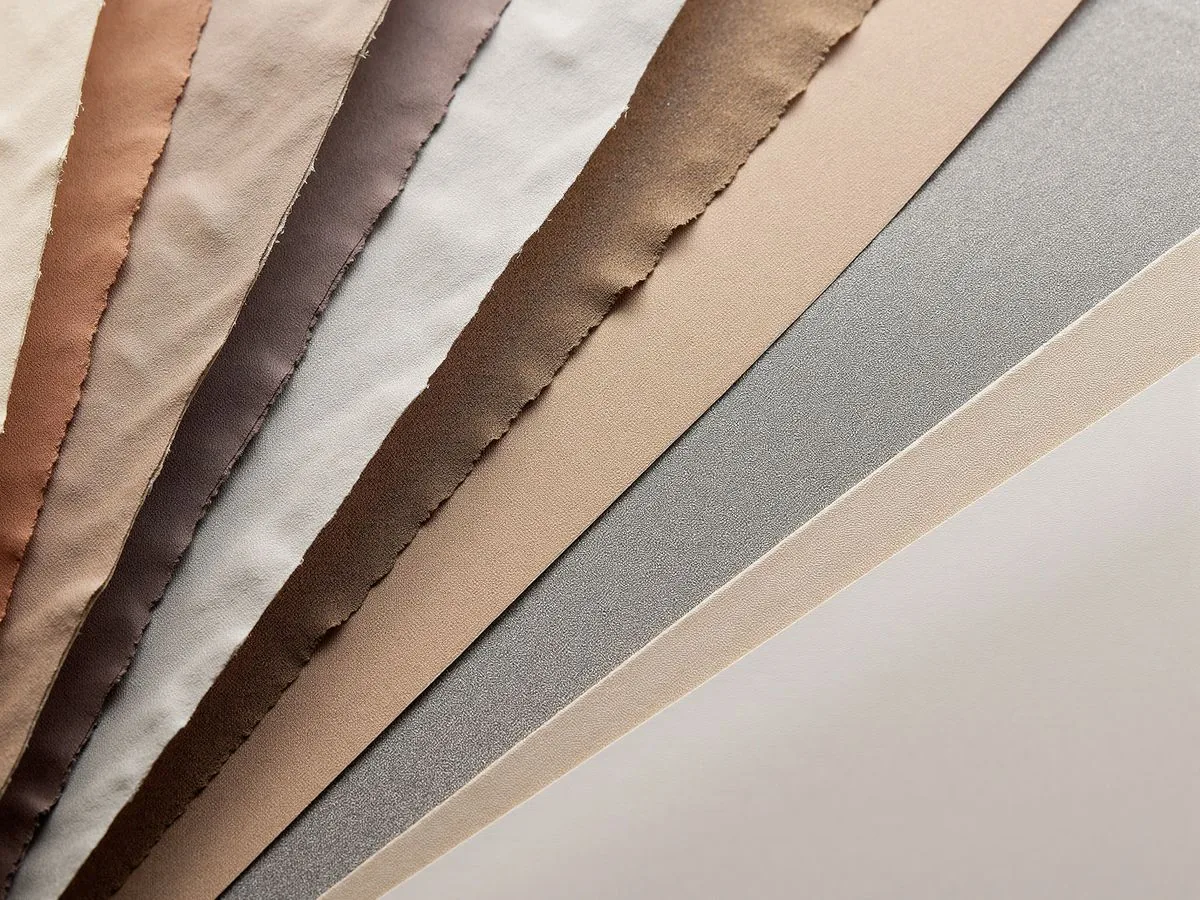
About Specialty Paper
Specialty Paper is specified by grade, weight and finish, and those three decide how it prints, folds and converts. Buyers normally confirm the end use first, because a sheet that suits one converting process may fail in another.
Mills quote by weight and by sheet or reel size, so the quotation depends on the format as much as on the grade. Certification requirements should be raised before the order, since not every mill carries every scheme.
Specification checklist
- Grades
- Coated, uncoated, recycled, kraft and specialty stocks
- Weights
- Expressed in gsm, matched to the converting process
- Formats
- Sheets or reels, with size and grain direction confirmed
- Finish
- Gloss, matte, silk, textured or uncoated
- Certification
- FSC, PEFC or recycled-content documentation on request
- Testing
- Burst, tear and stiffness data available from the mill
Decoration and finishing
- Sheet cutting to the press size
- Grain direction matched to the fold line
- Reel slitting to the converting width
- Moisture conditioning for stable running
Sourcing notes
- State the end use and the converting process, not just the weight.
- Confirm grain direction for folded products, since it affects cracking.
- Ask for mill test data when stiffness or burst strength is critical.
- Check certification scope covers the mill and the specific grade.
Products in Specialty Paper
No listed products in this category yet.
Suppliers are still publishing listings for specialty paper. Send your specification and we will match it with producing factories; the checklist above shows what to confirm before the first quote.
Specialty Paper questions
- What does gsm mean?
- Gsm is the weight of one square metre of paper in grams. Heavier sheets are stiffer and more opaque, but they also cost more and can crack when folded against the grain.
- Why does grain direction matter?
- Paper folds cleanly along the grain and tends to crack across it. For cartons and bags, the grain should run parallel to the main fold line.