Roll Film
Flexible roll film for automated packaging machines
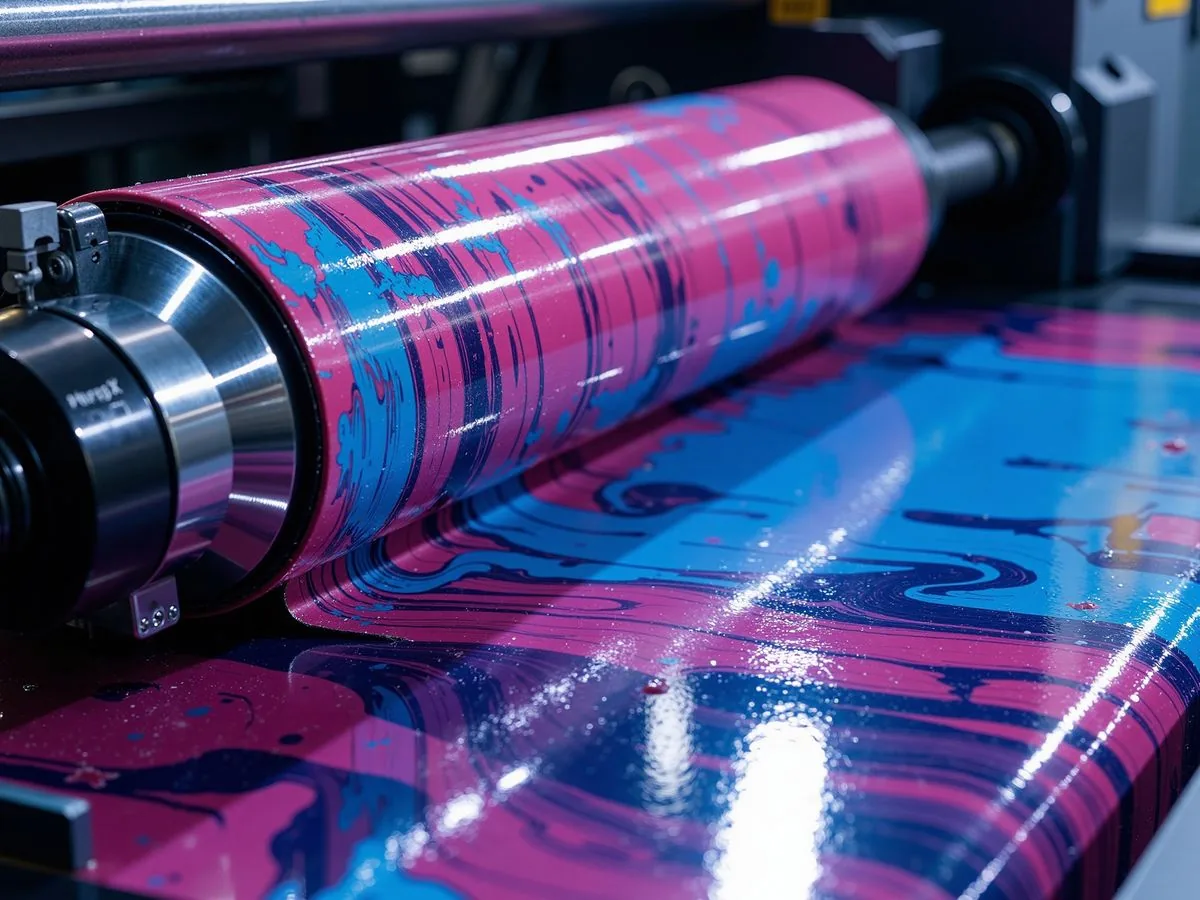
About Roll Film
Roll Film is supplied on rolls for form-fill-seal lines, lamination or secondary converting. Resin choice and layer structure set the barrier, the seal behaviour and how the film runs at speed.
Buyers normally confirm the roll width, the core size and the winding direction alongside the specification, because these decide whether the film runs on the existing machine.
Specification checklist
- Resins
- PE, PP, PET, PA, EVOH barrier and metallised structures
- Thickness
- Specified in microns, matched to seal strength and stiffness
- Roll dimensions
- Width, core diameter and roll length confirmed per machine
- Winding
- Inside or outside wind, with treated surface for printing
- Barrier options
- Oxygen, moisture and light barrier through EVOH, foil or metallised layers
- Compliance
- Food-contact declarations and migration reports
Decoration and finishing
- Corona treatment for print adhesion
- Anti-fog additives for chilled display
- Slitting to the exact machine width
- Edge trim and splice control for uninterrupted runs
Sourcing notes
- Give the machine model and the film path so the supplier can confirm slip and stiffness.
- State the fill weight and seal type before selecting thickness.
- Confirm whether the film is for printing or for direct lamination.
- Check minimum order quantity against roll length rather than weight alone.
Products in Roll Film
No listed products in this category yet.
Suppliers are still publishing listings for roll film. Send your specification and we will match it with producing factories; the checklist above shows what to confirm before the first quote.
Roll Film questions
- How do I choose between PE and PP film?
- PE seals at lower temperatures and stays flexible, which suits bags and lidding. PP is stiffer and clearer, which suits flow-wrap and display packs that need a crisp finish.
- Why does winding direction matter?
- The film must unwind in the direction the machine expects. Reversing the wind after production is possible but adds a converting step and cost.