Composite Cans
Composite cans for food, beverages and premium packaging
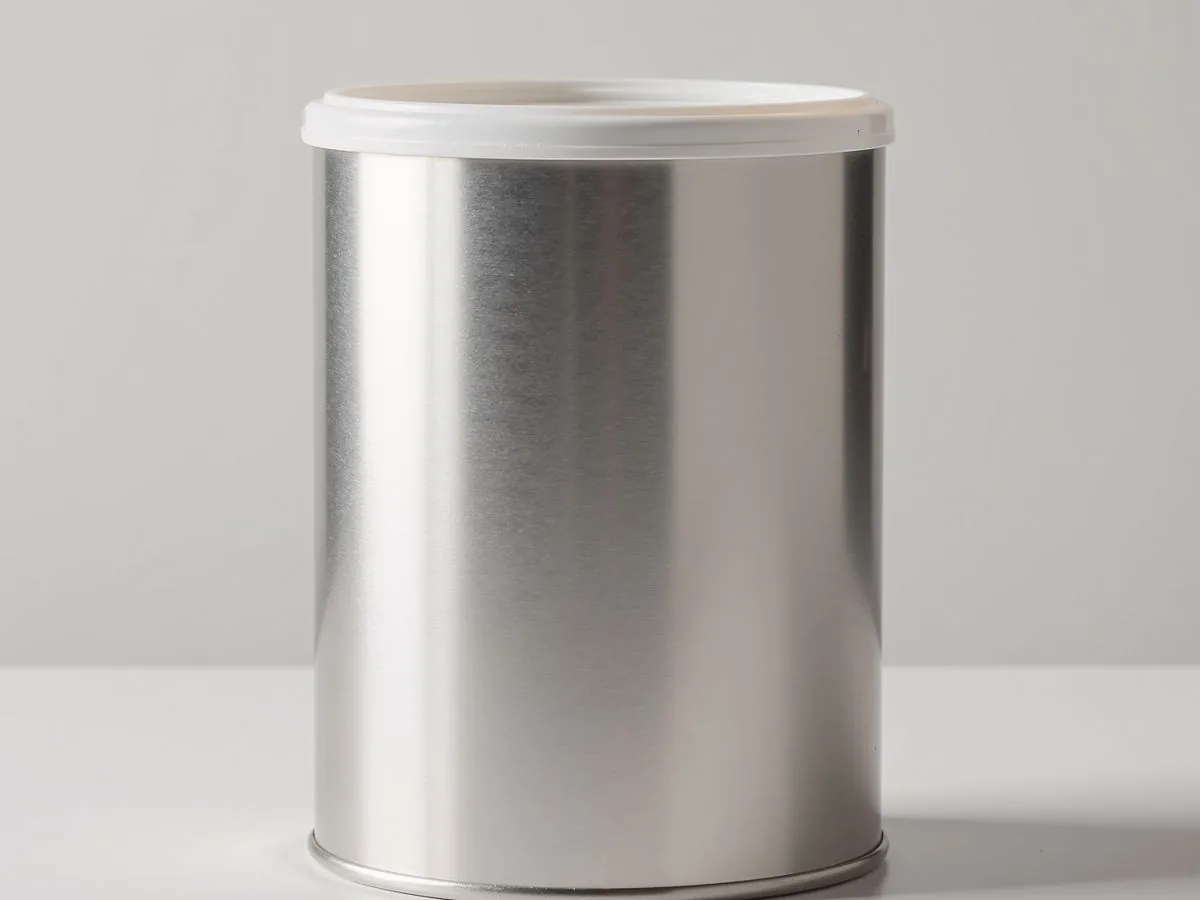
About Composite Cans
Composite Cans are wound from paperboard or film with a barrier liner, then fitted with metal or plastic ends. The construction gives a rigid cylinder with good print coverage and lower weight than metal cans.
Barrier liner choice decides shelf life for coffee, powdered drinks, snacks and dry foods. Buyers normally confirm the fill weight, the closure and the shelf-life target before sampling.
Specification checklist
- Body material
- Paperboard with foil, metallised or film liners
- Ends
- Metal or plastic ends, with easy-open or peelable membrane options
- Formats
- Cylindrical cans with slip lids, screw caps or shaker tops
- Print options
- Offset litho on the wrap, with matte or gloss varnish
- Shelf life
- Set by liner barrier and closure; confirmed by testing
- Compliance
- Food-contact declarations on request
Decoration and finishing
- Matte varnish with spot gloss for premium contrast
- Embossed ends or lids
- Shaker or dispensing tops for powdered products
- Window or clear lid options for gift packs
Sourcing notes
- State the fill weight and the shelf-life target so the liner can be selected.
- Confirm the closure type and whether the can needs a membrane seal.
- Ask for a filled and sealed sample for shelf-life testing.
- Check pallet configuration, because cans are shipped assembled.
Products in Composite Cans
No listed products in this category yet.
Suppliers are still publishing listings for composite cans. Send your specification and we will match it with producing factories; the checklist above shows what to confirm before the first quote.
Composite Cans questions
- How long can a composite can keep coffee fresh?
- Shelf life depends on the liner barrier and the closure. Foil-lined bodies with a valve or tight-seal end give the longest protection, and the supplier normally confirms the target through storage testing.
- Are composite cans recyclable?
- Paper-bodied cans with a plastic or foil liner are harder to recycle than mono-material packs. Ask the supplier for the current end-of-life guidance in your market.