Adhesive Labels
High-quality adhesive labels for product branding and information

What an adhesive label is
A pressure-sensitive label is a printed face material, an adhesive and a release liner. Face stock, adhesive and liner are chosen as a set: the face decides how the label looks and resists scuffing, the adhesive decides where it sticks and whether it comes off again.
Labels ship in rolls for automatic applicators or in sheets for hand application. For rolls, winding direction, core size and label gap have to match the applicator, not only the artwork.
About Adhesive Labels
Adhesive Labels combine a face material, an adhesive and a release liner, printed and die-cut to shape. The combination has to survive the container surface, the filling process and the storage conditions the product meets.
Application method decides the supply form: rolls for automatic lines, sheets for hand application, and sleeves for shrink tunnels. Buyers normally confirm the container material and the application temperature before sampling.
Specification checklist
- Face materials
- Paper, PP, PET, metallised and specialty stocks
- Adhesives
- Permanent, removable, freezer-grade and high-tack options
- Print methods
- Flexo, digital, offset and screen, with variable data support
- Supply form
- Rolls, sheets or sleeves, matched to the application line
- Finishing
- Gloss or matte varnish, lamination, foil and embossing
- Compliance
- Food-contact and BS5609 durability options on request
Decoration and finishing
- Gloss or matte lamination for scuff resistance
- Cold foil for metallic accents without a separate stamping pass
- Variable data printing for barcodes, serials and batch codes
- Tamper-evident slits and security cuts
Sourcing notes
- State the container material and surface: glass, HDPE, PET and curved surfaces need different adhesives.
- Confirm the application temperature and whether the container is chilled or wet at labelling.
- Ask for a sample applied to the actual container, not just a flat sheet.
- Check barcode grade if the label carries retail scanning codes.
Products in Adhesive Labels
2 products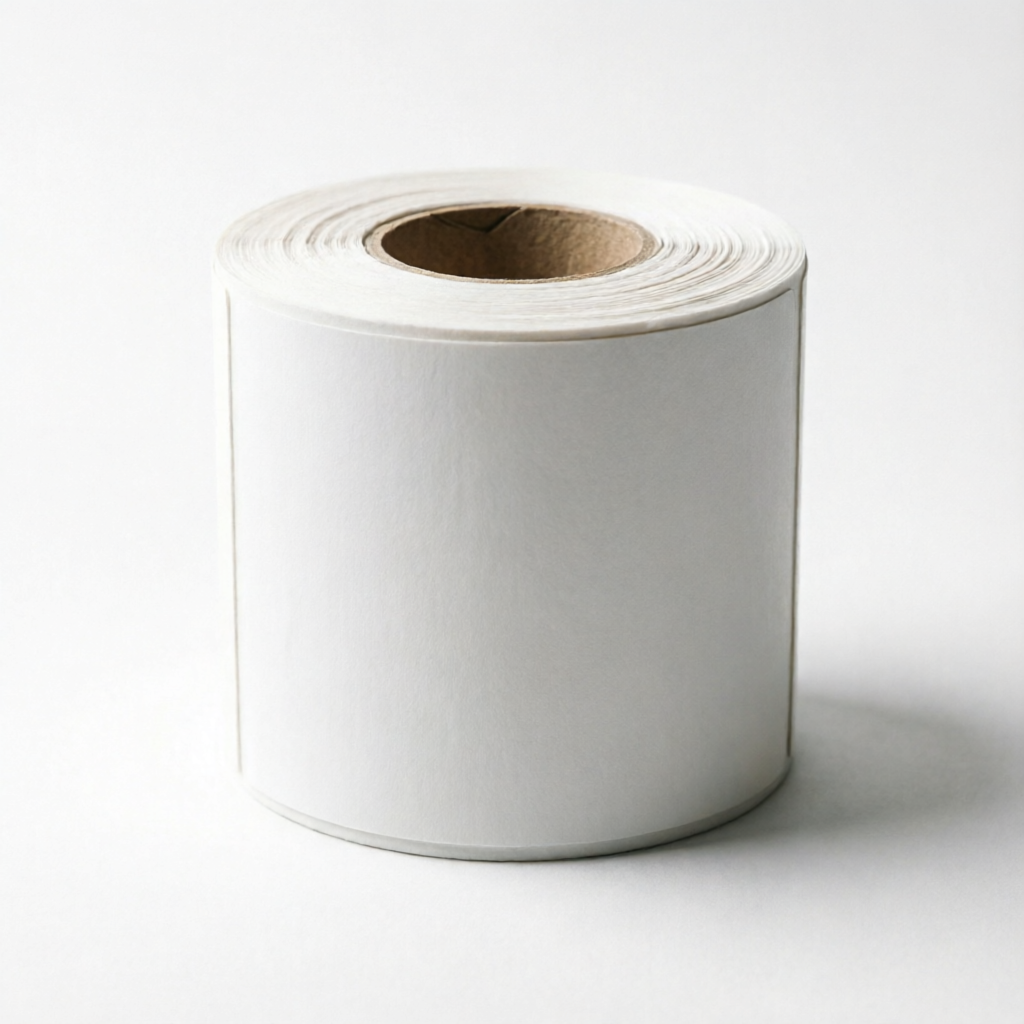
Adhesive Labels questions
- Paper or film face stock?
- Paper labels are the default for dry indoor goods and give the sharpest print for the cost. PP and PET film are used where the pack gets wet, sits in a bathroom or cooler, or is handled with oily hands; PET also takes higher temperatures.
- Which adhesive do I need?
- Permanent acrylic adhesive covers most ambient shelf use. Removable adhesive suits promotions and resale, freezer-grade adhesive is needed at low temperatures, and high-tack grades are used on rough, curved or low-surface-energy plastics. The container material has to be tested, because the same adhesive behaves differently on HDPE, glass and coated board.
- Roll or sheet?
- Rolls are required for automatic and semi-automatic applicators and are quoted by run length. Sheets suit short runs and hand application. If a machine is involved, confirm winding direction and core diameter before printing.
- Why do labels lift at the edges?
- Edge lift usually comes from an adhesive that is too stiff for the container curvature, or from labelling a cold or damp surface. A softer adhesive and a higher application temperature normally solve it.
- Which labels survive a freezer?
- Freezer-grade adhesives are formulated to stay tacky at low temperature. The face stock also matters, since paper can wrinkle when moisture condenses.