Folding Carton
Folding cartons are printed on paperboard, delivered flat and erected by the packer, which keeps freight and storage low. Common for retail, food, cosmetics and subscription packaging in coated and uncoated board, with window patching, foil or embossing options.

What a folding carton is
Folding cartons are printed on paperboard, die-cut and glued at the factory, then shipped flat. The packer erects them on the filling line, so freight volume and warehouse space stay well below an assembled box.
They are the usual format for retail and e-commerce packs in food, confectionery, cosmetics, supplements, electronics and subscription kits. Board grade, print method and finishing decide both how the carton looks on shelf and how reliably it runs on automatic erecting equipment.
About Folding Carton
Folding cartons are printed on paperboard, delivered flat and erected by the packer, which keeps freight and storage low. Common for retail, food, cosmetics and subscription packaging in coated and uncoated board, with window patching, foil or embossing options.
Board grade, print method and finishing decide how the carton looks on shelf and how reliably it runs on automatic erecting equipment. Buyers normally lock the board grade and the print process first, then approve a white sample before production.
Specification checklist
- Board grades
- Coated and uncoated paperboard, recycled board and food-grade board
- Formats
- Straight tuck end, reverse tuck end, crash-lock bottom, sleeve and tray styles
- Sizing basis
- Finished dimensions in mm, with the filling direction confirmed
- Print options
- Offset litho, digital or flexo, with spot colours and varnish
- Finishing
- Matte or gloss lamination, soft-touch film, foil stamping, embossing and spot UV
- Supply form
- Flat, glued and pre-creased, banded in bundles for the filling line
Decoration and finishing
- Foil stamping and embossing for premium retail and gifting positions
- Soft-touch lamination paired with spot UV for contrast
- Window patching with clear film for product visibility
- Braille embossing and tamper-evident seals where required
Sourcing notes
- Share the product weight and the erecting method so the converter can confirm board thickness.
- Approve a printed proof before the die is made; artwork changes after proofing usually add cost.
- Confirm whether the quotation covers gluing, window patching and packing into cartons.
- Ask for a board sample when the carton must run on high-speed equipment.
Products in Folding Carton
1 products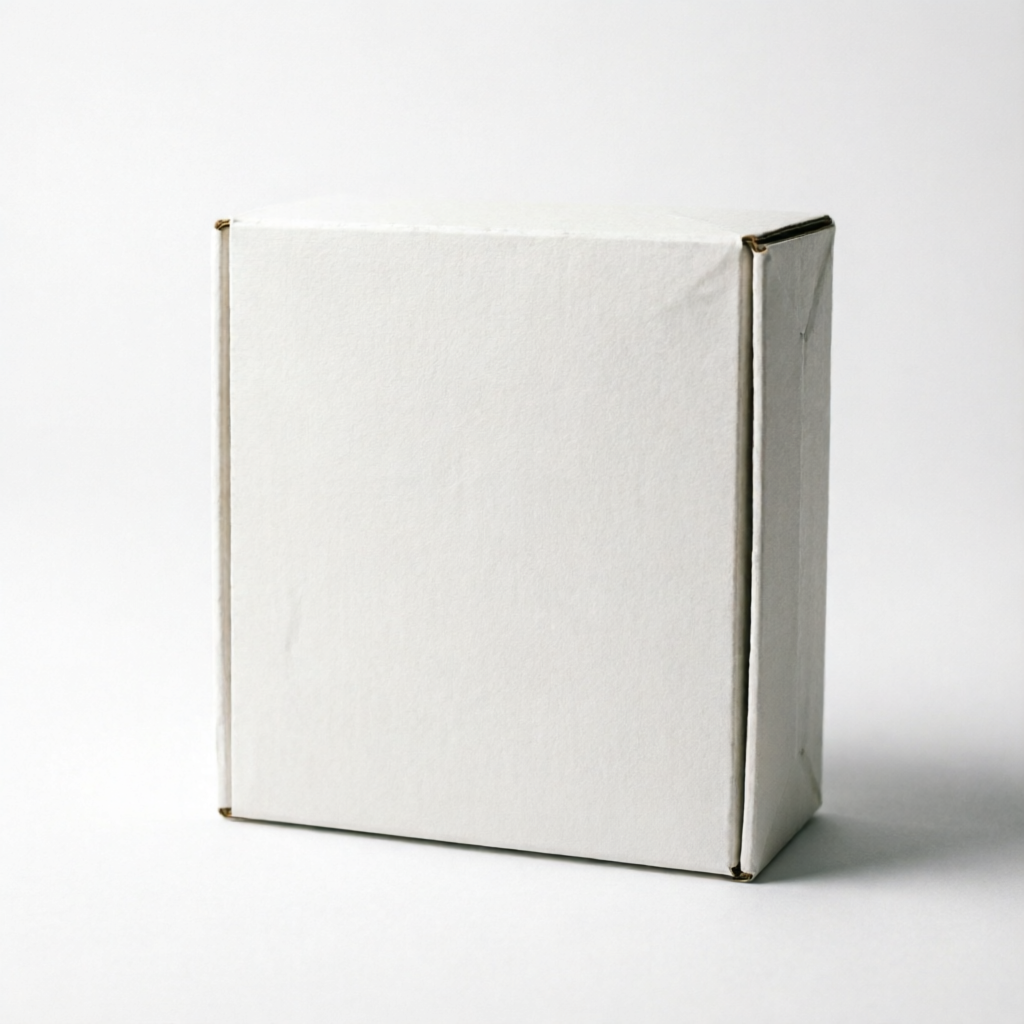
Folding Carton questions
- Which board is used for folding cartons?
- Coated and uncoated paperboard are the common options, usually between 250 and 400 gsm depending on carton size and the weight it carries. Heavier board, or corrugated board, is chosen when the pack needs more rigidity or cushioning.
- How are folding cartons delivered?
- Flat and already glued. Cartons arrive in bundles and are erected by the packing machine or by hand, which is why a carton shipment takes a fraction of the space an assembled box would need.
- Which finishes can be added to a folding carton?
- Varnish or film lamination for surface protection, foil stamping, embossing or debossing, spot UV, and window patching. Finishing runs on the printed sheet before die-cutting, so it has to be planned together with the artwork and dieline.
- Which board weight should I choose?
- Board weight follows carton size and the weight it carries. Small cosmetic cartons usually run on lighter coated board, while larger cartons or heavier contents need thicker board or a corrugated flute for rigidity.
- Can I get a short run before committing to bulk?
- Digital print is normally used for short runs and samples. Offset becomes more economical as quantity rises, and tooling such as dies and foils is charged once per design.