Corrugated Boxes
Durable corrugated boxes for shipping and heavy-duty packaging

What a corrugated box is
A corrugated box is built from linerboard glued to a fluted medium. The flute profile sets how much stacking strength the board carries and how flat a surface it gives the printer, so board grade is normally chosen together with the load and the distribution channel.
Single-wall board in B, C or E flute covers most shipping and e-commerce packs; double-wall BC is used when boxes are stacked for long periods or carry heavier contents. Retail-ready and subscription boxes often move to E or F flute for a flatter, print-friendly surface.
About Corrugated Boxes
Corrugated Boxes are produced by corrugating linerboard around a fluted medium, then printing, slotting and gluing the blank. The flute profile sets how much stacking strength and cushioning the box provides, while the liner grade sets how well it prints and how it performs in humid conditions.
Buyers usually specify the internal dimensions first, because outer dimensions change with board thickness and with the flute chosen. Once the size and board grade are fixed, the remaining decisions are print method, closure style and whether the box ships flat or assembled.
Specification checklist
- Board construction
- Single wall, double wall or triple wall, with kraft, test liner or white top liner
- Flute profiles
- Fine flutes for print quality and thin panels, coarser flutes for cushioning and stacking strength
- Formats
- Regular slotted container, half slotted container, full overlap, die-cut and folder-type blanks
- Sizing basis
- Internal dimensions in mm, stated as length x width x height
- Print options
- Flexographic print in one or two colours, or litho-laminated sheets for photographic artwork
- Closing methods
- Glued, stitched, taped or self-locking; inserts and dividers available
Decoration and finishing
- Water-based flexo print for logos, handling marks and barcodes
- Litho-laminated top sheet when retail artwork needs fine detail
- Wax-free moisture barrier or PE coating for chilled and humid conditions
- Die-cut hand holes, tear strips and perforations for retail-ready packs
Sourcing notes
- Send the internal dimensions, the packed weight and the stacking height so the plant can confirm a board grade.
- Ask for a board combination sample before tooling, especially when the pack travels by sea freight.
- Confirm whether the quotation includes a print plate or cutting die, since tooling is normally charged once.
- Check drop-test or compression-test reports if your retailer requires them.
Products in Corrugated Boxes
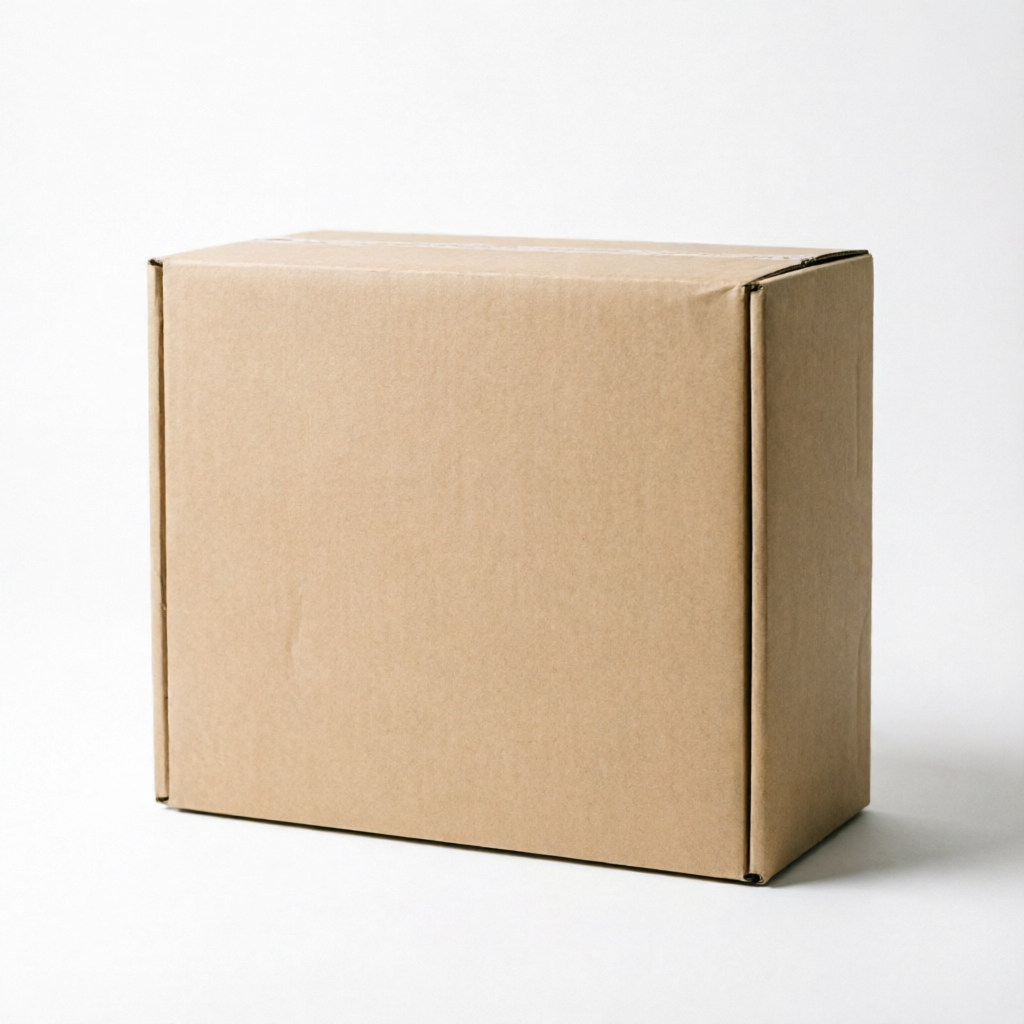
2 products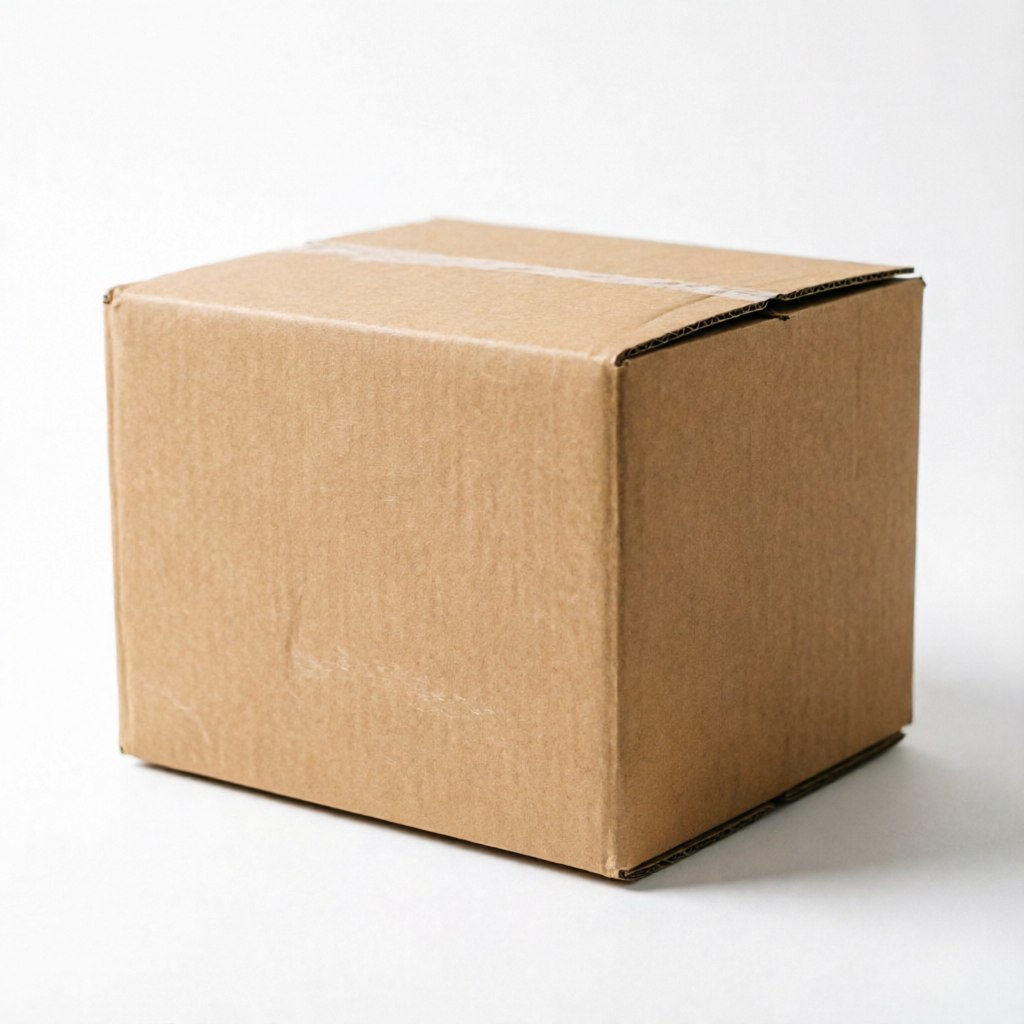
Corrugated Boxes questions
- Which flute profile fits my box?
- It depends on the weight carried, the time spent stacked in a warehouse and how humid the route is. E and F flute give a flatter print surface for retail packs, while C and BC give more compression strength for shipping cartons. Suppliers normally confirm the choice with an edge crush or burst test on the finished board.
- How is a corrugated box printed?
- Flexo printing runs directly on the linerboard and suits one to three spot colours on kraft or white-top board. Litho-lamination and digital print give photo-quality graphics at a higher cost and longer make-ready, so they are used where shelf impact justifies it.
- Which strength figures should I specify?
- Buyers usually specify burst strength (Mullen) or an edge crush test (ECT) grade rather than board thickness alone. ECT is the more useful figure for stacking, because it accounts for the flute and liner combination in the finished board.
- How do I convert internal dimensions to a box size?
- Give the supplier the internal length, width and height you need. The plant adds board thickness and flute allowance when it draws the blank, so quoting from outer dimensions usually produces a box that is too small.
- Is flexo print enough for retail packaging?
- Flexo works well for one or two spot colours, large type and handling marks. When the artwork needs gradients or photographic detail, ask for litho-laminated board or a printed label applied to a plain box.
- What drives the tooling cost?
- A cutting die and, for printed boxes, one print plate per colour. Standard slotted sizes may avoid die cost entirely, while custom die-cut shapes add a one-off charge.